School-Based Agroforestry for Climate Resilience
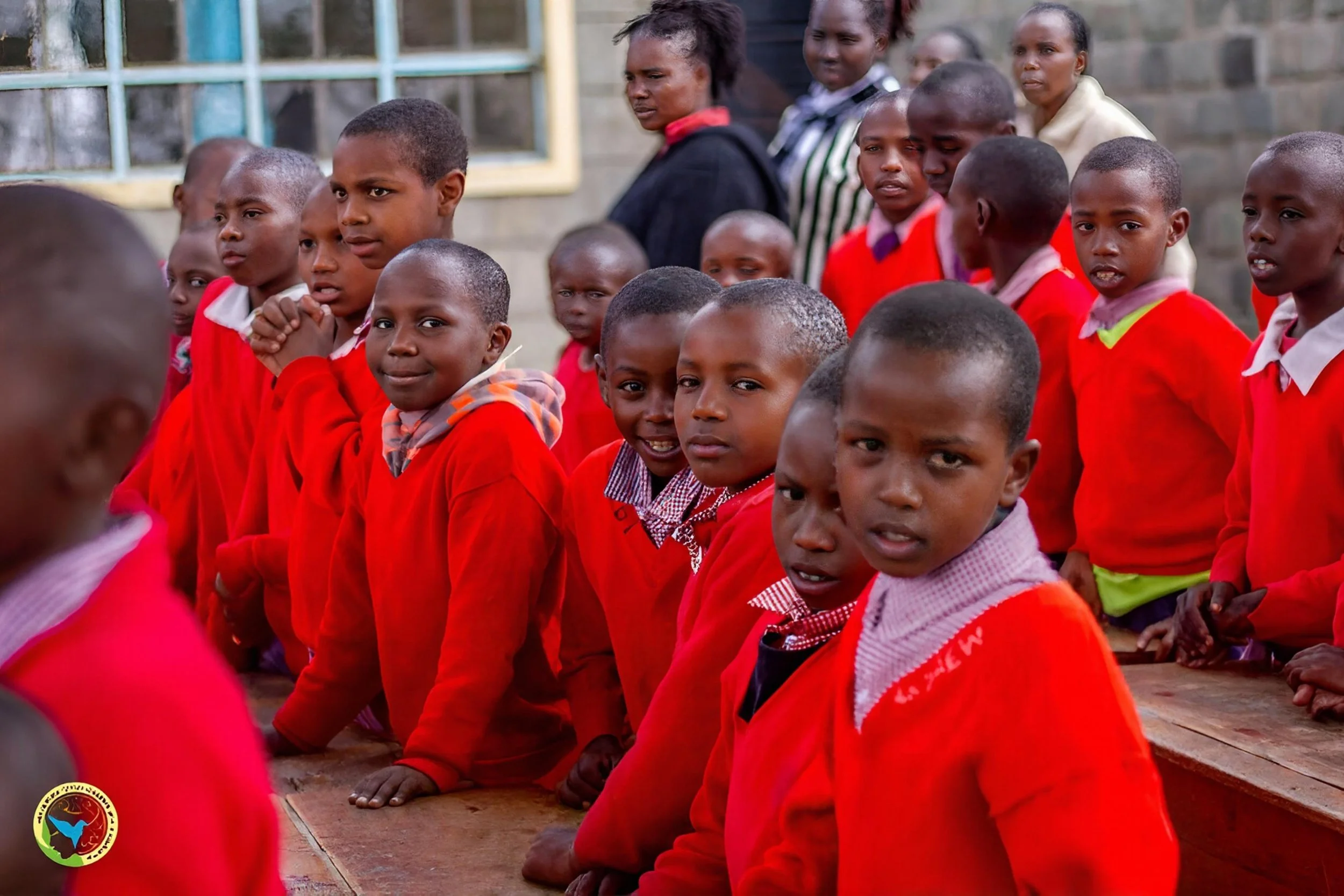
CHEC has partnered with the Women Peace Climate Resilience Justice Association (WoPCAA) to promote agroforestry for climate resilience building in a Maasai community by empowering women and youth with agroforestry skills which will be integrated into Kenya’s Competence-Based Curriculum in the local school. Beneficiaries will establish tree nurseries, produce at least 6,000 seedlings per season for distribution to the local community. Pastoralist communities in Maasai Land are grappling with deepening food insecurity and land degradation due to increasingly frequent and prolonged droughts. Traditional grazing practices are no longer sustainable, with shrinking pasturelands further threatened by land conversion for large-scale agriculture. As men migrate in search of grazing, women and children are left behind, often without stable income, nutrition, or fodder for their small livestock. This pilot introduces agroforestry as a practical, climate-smart solution that regenerates soil, improves biodiversity, and supports goat and sheep farming by providing sustainable sources of fodder. Tree planting at schools and homesteads strengthens community resilience and empowers youth and women to diversify livelihoods.
Empowering Women and Youth with Agroforestry Skills
In November 2023, in preparation for COP 28, WoPCAA convened its "COP Mashinani" (grassroots) forum in Isinya, where women from Olorropil Self Help Group expressed concern about food shortages and livestock losses. Their testimonies described hunger, small livestock deaths, and the struggle to feed families during droughts. Based on this local insight, agroforestry was proposed as a viable community-based solution. Kikayaya Primary was selected as a pilot site due to its ongoing engagement with WoPCAA, central location in the local community and strong leadership support. It also has a reliable water source (a borehole) as well as rainwater harvesting in place, which is key for project viability.
WoPCAA has extensive grassroots experience in gender and climate resilience projects. Our "COP Mashinani" model connects rural voices to global climate dialogues and was showcased at COP28. We mentor agriculture and environment clubs in Kajiado schools, and have strong ties with women’s groups and local agricultural officers. Our participatory methods and storytelling approach make us effective facilitators of change. This project builds on prior mentorship at Kikayaya and expands our track record in nature-based solutions.
• In the long-term, the nursery will be managed by the school agriculture club with technical input from local extension officers and WoPCAA volunteers.
• Women trained in the pilot will serve as peer trainers to replicate agroforestry within the community.
• The school will host seasonal open days to promote continued community engagement as well as seedling production and distribution.
• WoPCAA will monitor and support the project post-grant through its grassroots networks.
Project Updates and Outcomes
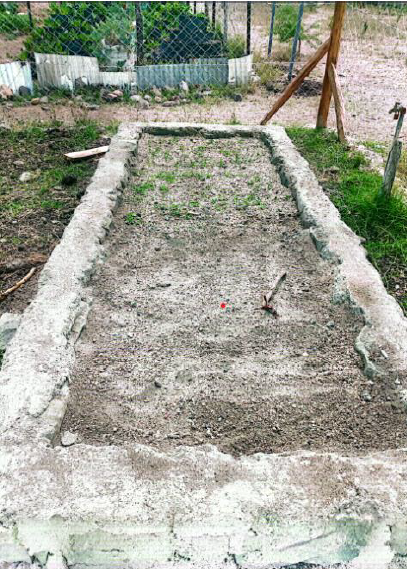
Quarter 1 marked a significant shift in the project’s trajectory from preparation into active, hands-on implementation. Building on the strong foundation established during the inception phase, the nursery began to take shape as a functional learning and production system.
At the start of the quarter, the enabling conditions identified during the baseline assessment continued to play a critical role. The availability of land, proximity to a reliable water source, and the presence of an active Environment Club provided the stability needed to move confidently into implementation. The school’s existing culture of environmental stewardship, reflected in ongoing agricultural activities and strong Leaner engagement, remained a key driver of progress.
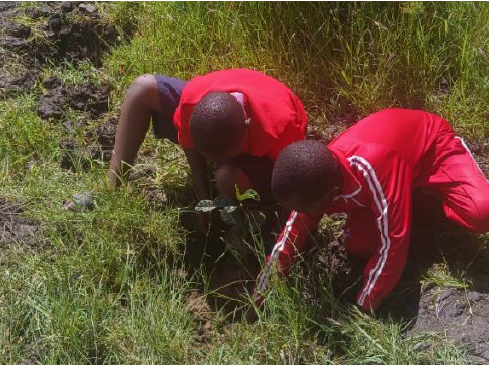
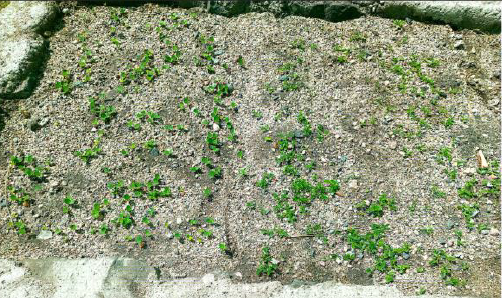
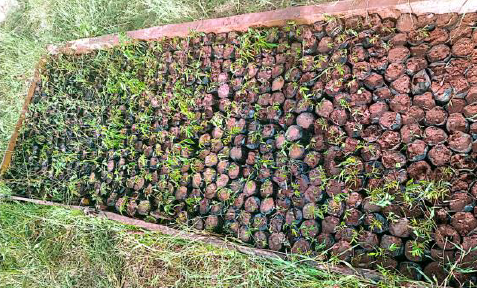
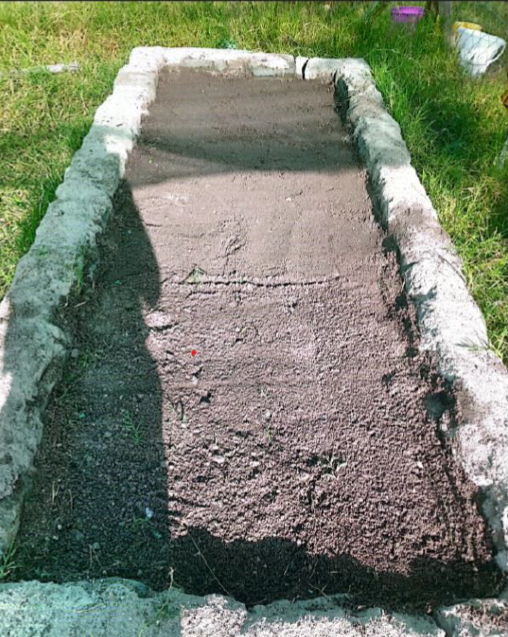
Within this context, the nursery transitioned into active use. Early batches of seedlings were established and placed under routine management, with watering, monitoring, and maintenance integrated into a structured daily practice. During this period, additional tree species were introduced, broadening the nursery's ecological scope and enriching participants' learning experience.
For more information, you can read the full report from the first quarter of 2026 here!
This project is ongoing - CHEC back later for updates!
-
Isinya, Kajiado County, Kenya
-
June 2025 - Present
-
Establish a school-based agroforestry nursery for 6,000 seedlings per season.
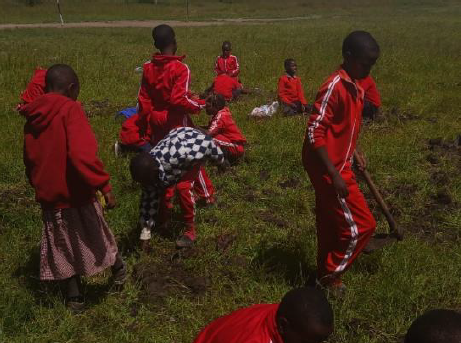
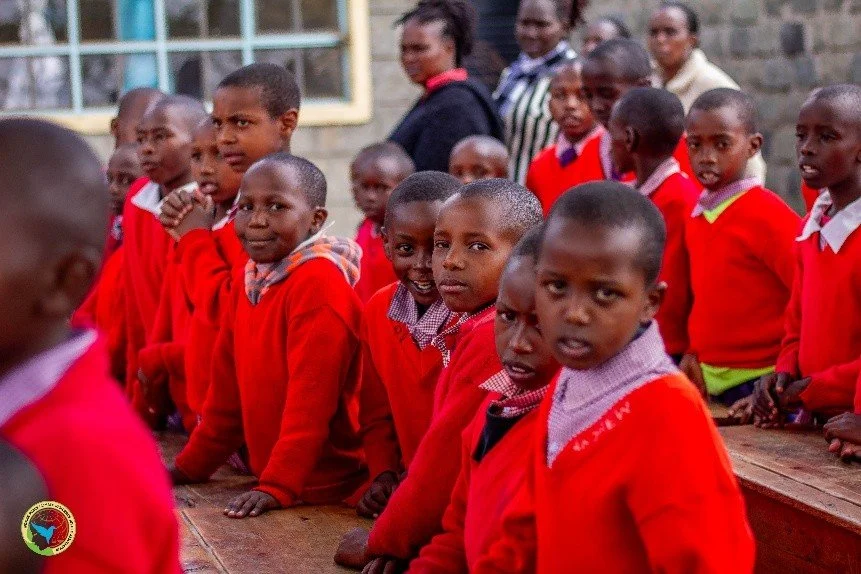
Train 8 teachers, 60 students and 15 women community leaders from 3 women groups on the value of agroforestry trees, nursery establishment and maintenance, and sustainable tree use.
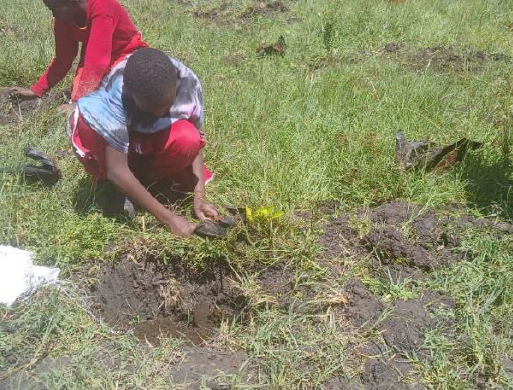
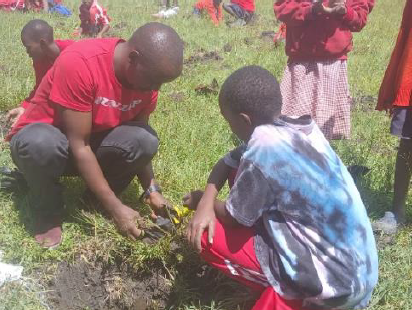
Plant 1,200 demonstration agroforestry seedlings (for fodder, conservation, shade, and fruit), integrated with indigenous trees within the school compound and trained participants’ homesteads.
Promote Kikayaya Primary as a community learning hub for climate resilience.
Document the pilot and build advocacy for scale-up.
-
Ongoing Project
Project Photos