London Climate Action Week
Day One - Small Actions, Big Impact
~
Day One - Small Actions, Big Impact ~
🌍✨ London Climate Action Week: Day 1 – Small Actions, Big Impact
Climate action doesn't only happen at international conferences or in government buildings. It happens in our homes, schools, workplaces, gardens, and communities. When thousands of people make small changes, those actions can add up to create a real and lasting difference.
At CHEC, we believe that small actions can have a big impact. Through our community-led projects across the Commonwealth, we support practical solutions that strengthen climate resilience, empower communities, and improve lives. From school gardens and agroforestry projects to renewable energy and women's empowerment initiatives, these small-scale projects are making a lasting difference where it matters most.
💚 Now it's your turn: What's one small action you take to help the planet? Whether it's walking instead of driving, reducing food waste, saving water, or growing your own food, we'd love to hear about it!
![1[1].png](https://images.squarespace-cdn.com/content/v1/641c3cce04ddc92ec2f01848/1782138123784-894F4490KGBKKHJ4HTNX/1%5B1%5D.png)
![2[1].png](https://images.squarespace-cdn.com/content/v1/641c3cce04ddc92ec2f01848/1782138147863-71HM7IVX9LNB055XM8W7/2%5B1%5D.png)
![3[1].png](https://images.squarespace-cdn.com/content/v1/641c3cce04ddc92ec2f01848/1782138168066-0RMZAYCJ69WSO69GW7XS/3%5B1%5D.png)
![4[1].png](https://images.squarespace-cdn.com/content/v1/641c3cce04ddc92ec2f01848/1782138190529-417JBR3VESNMHWSO00YC/4%5B1%5D.png)
![5[1].png](https://images.squarespace-cdn.com/content/v1/641c3cce04ddc92ec2f01848/1782138208776-AVP7Q7X1KUG4IFW7V5HK/5%5B1%5D.png)
![6[1].png](https://images.squarespace-cdn.com/content/v1/641c3cce04ddc92ec2f01848/1782138233711-RZV6NEUM3WBEYRXCN690/6%5B1%5D.png)
![7[1].png](https://images.squarespace-cdn.com/content/v1/641c3cce04ddc92ec2f01848/1782138251196-H9W9LPNA6BOP3533I5XU/7%5B1%5D.png)
![8[1].png](https://images.squarespace-cdn.com/content/v1/641c3cce04ddc92ec2f01848/1782138267181-CHOTCNRM3F28D0FAGI5F/8%5B1%5D.png)
![9[1].png](https://images.squarespace-cdn.com/content/v1/641c3cce04ddc92ec2f01848/1782138283478-ZD8QNZDF5FNS4152F529/9%5B1%5D.png)
![10[1].png](https://images.squarespace-cdn.com/content/v1/641c3cce04ddc92ec2f01848/1782138302086-LPXOGHSL4CQX9A0L1KNY/10%5B1%5D.png)
![11[1].png](https://images.squarespace-cdn.com/content/v1/641c3cce04ddc92ec2f01848/1782138315365-16VVBC1121L555AV590Y/11%5B1%5D.png)
![12[1].png](https://images.squarespace-cdn.com/content/v1/641c3cce04ddc92ec2f01848/1782138336979-JFCMJD55A2F0UTRSSYGQ/12%5B1%5D.png)
![13[1].png](https://images.squarespace-cdn.com/content/v1/641c3cce04ddc92ec2f01848/1782138346937-8G6X0NNYVYHLP9VIM4SI/13%5B1%5D.png)
Small changes really can make a big difference. Using a refillable water bottle instead of buying a single-use plastic bottle every day could prevent more than 300 plastic bottles from entering the waste stream each year. Choosing second-hand clothing helps tackle the impacts of fast fashion, an industry responsible for around 10% of global carbon emissions, while extending the life of garments can save thousands of litres of water and reduce textile waste sent to landfill.
Our food choices also matter. Buying locally produced, seasonal food can reduce food miles and the emissions associated with transporting products around the world. Taking part in a Meatless Monday just once a week can save around 170 kilograms of carbon emissions each year—similar to driving hundreds of miles in an average car.
Other simple actions, such as switching to LED light bulbs, reducing food waste, washing clothes at lower temperatures, or walking and cycling for short journeys, all contribute to reducing our environmental impact. Individually these actions may seem small, but when adopted collectively by communities across both London and the Commonwealth, they can help create meaningful change for both people and the planet.
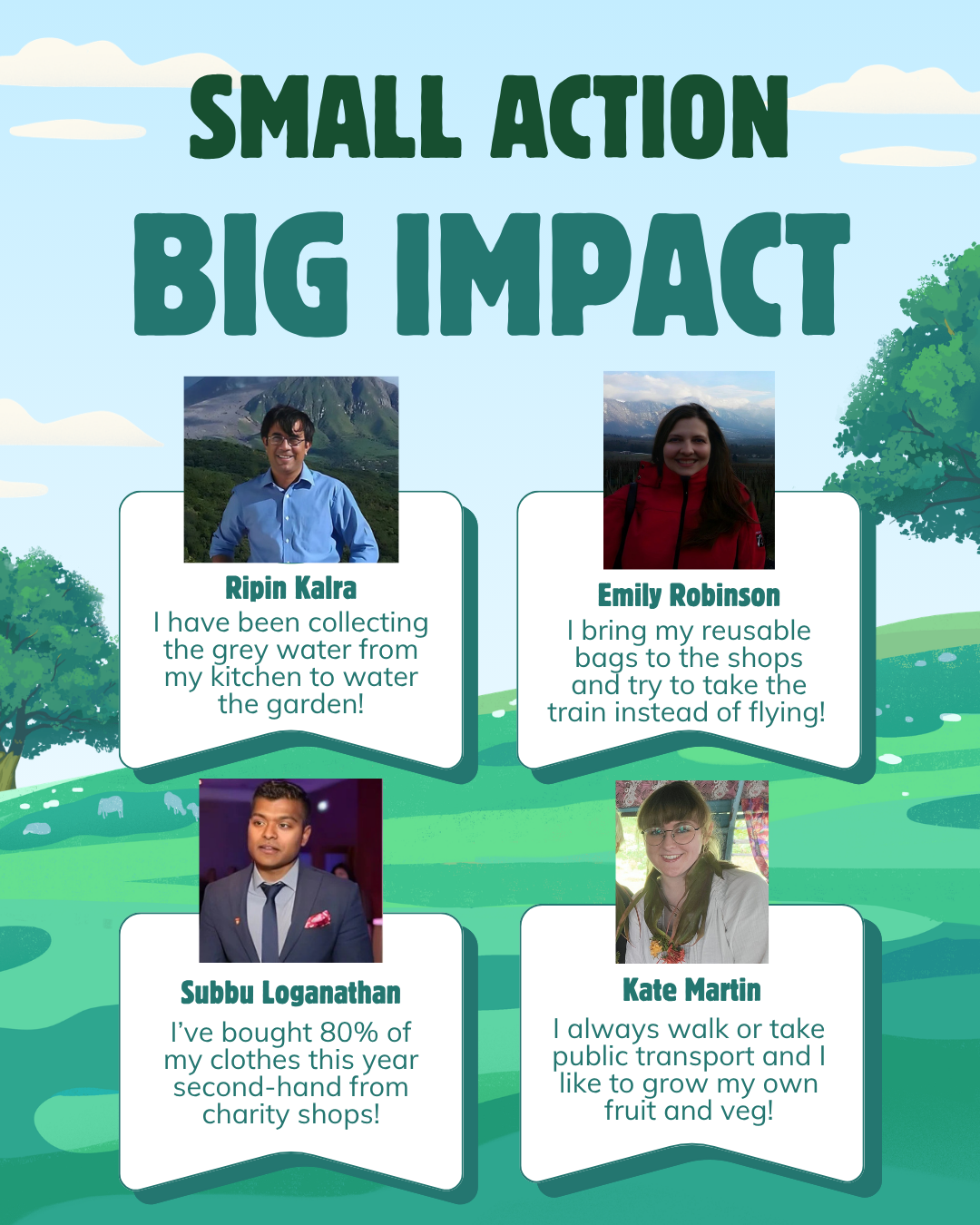
🌍💚 Small actions really can make a big difference.
As part of London Climate Action Week, we asked members of the CHEC Board and our Trustees one simple question: What small action have you taken this year to help protect the planet?
From changes in daily habits to more sustainable choices, their answers show that climate action starts with each of us. Now we'd love to hear from you — what small action have you taken this year?
Day Two - What's On Your Plate
~
Day Two - What's On Your Plate ~
🍽️🌍 London Climate Action Week: Day 2 – What's On Your Plate?
The food we eat connects us to communities, cultures, and ecosystems across the Commonwealth, but it also carries an environmental footprint. From the carbon emissions produced by agriculture and transport, to the water needed to grow our food, our daily choices can have a significant impact on the planet.
Eating locally and seasonally, growing some of our own produce, reducing food waste, and incorporating more plant-based meals into our diets are all simple ways to lower our environmental footprint. Even small changes can help reduce food miles, save water, and support more sustainable food systems.
At CHEC, we understand that food security and sustainability go hand in hand. Through projects such as the creation of a women's vegetable garden in India and supporting vegetable gardens and orchards for women cultivators in The Gambia, we have seen first-hand how local food production can strengthen communities, improve nutrition, and build climate resilience.
💚 We would love to hear from you: What small change could you make to eat more sustainably? Could you buy local produce, grow your own herbs, try a meat-free meal, or reduce food waste?
![1[1].png](https://images.squarespace-cdn.com/content/v1/641c3cce04ddc92ec2f01848/1782206135298-RVW7UJIWOLUV0D2E5A8Z/1%5B1%5D.png)
![2[1].png](https://images.squarespace-cdn.com/content/v1/641c3cce04ddc92ec2f01848/1782206153450-51FS2KKR9DW0M6H4TSI5/2%5B1%5D.png)
![3[1].png](https://images.squarespace-cdn.com/content/v1/641c3cce04ddc92ec2f01848/1782206170975-2BOBZSRCJPDQVSHE6RGB/3%5B1%5D.png)
![4[1].png](https://images.squarespace-cdn.com/content/v1/641c3cce04ddc92ec2f01848/1782206193859-F51S3DZ5C3GU4NDXPK2K/4%5B1%5D.png)
![5[1].png](https://images.squarespace-cdn.com/content/v1/641c3cce04ddc92ec2f01848/1782206208667-SI6B4BY6F0PAKOW6EUHF/5%5B1%5D.png)
![6[1].png](https://images.squarespace-cdn.com/content/v1/641c3cce04ddc92ec2f01848/1782206222419-SCTVSOITMAV5AXA8YE2G/6%5B1%5D.png)
![7[1].png](https://images.squarespace-cdn.com/content/v1/641c3cce04ddc92ec2f01848/1782206232116-OW19J1OXYV9FYARCJY4U/7%5B1%5D.png)
Our food choices have a significant impact on the planet. Animal agriculture is responsible for around 14–15% of global greenhouse gas emissions, meaning that simple swaps such as choosing beans, lentils, or tofu in place of beef can substantially reduce the carbon footprint of our meals. Many people are surprised to learn that while soy production is linked to deforestation, around three-quarters of global soy production is used to feed livestock rather than produce foods such as tofu.
Agriculture also accounts for approximately 70% of global freshwater use, while millions of hectares of forest are cleared each year to create agricultural land and pasture. Choosing seasonal, locally grown produce can help reduce food miles and transport emissions, while growing even small amounts of fruit, vegetables, or herbs at home can reconnect us with our food and reduce environmental impacts.
Supporting more diverse farming systems rather than large-scale mono-cultures can improve soil health, increase biodiversity, and strengthen resilience to climate change. Small changes such as eating more plant-based meals, buying loose produce with less packaging, reducing food waste, choosing seasonal foods, and supporting local producers can collectively make a significant difference for both people and the planet.
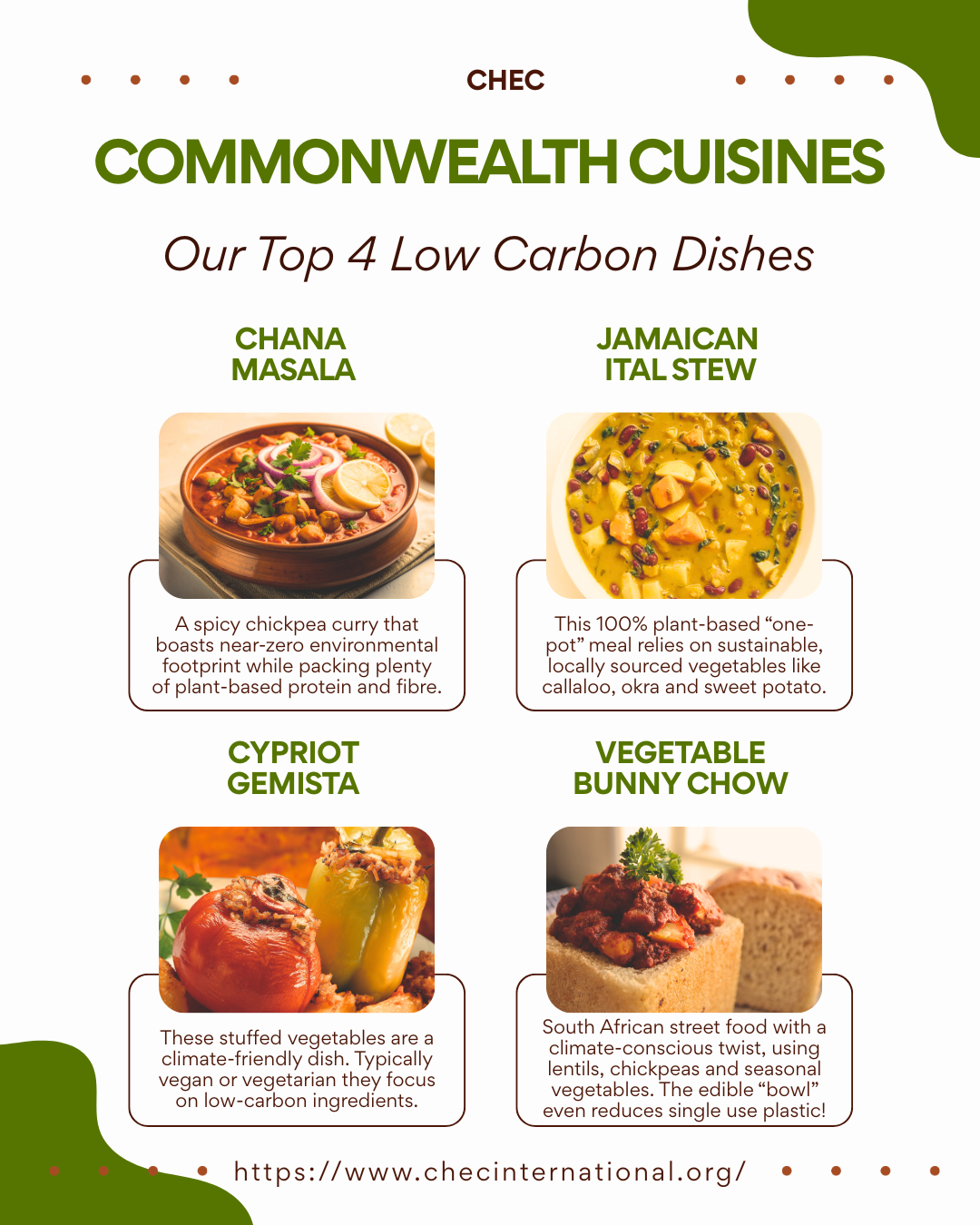
Commonwealth Cuisines
🍽️🌍 From India's spicy Chana Masala and Jamaica's vegetable-packed Ital Stew to Cyprus' seasonal Gemista and South Africa's climate-conscious Vegetable Bunny Chow, the Commonwealth is full of delicious low-carbon dishes.
We love discovering traditional recipes and new innovations that show sustainable food can be both good for the planet and full of flavour. Why not try cooking one of these dishes at home or visit a local restaurant to experience some climate-friendly cuisine from across the Commonwealth? 💚
LCAW Events
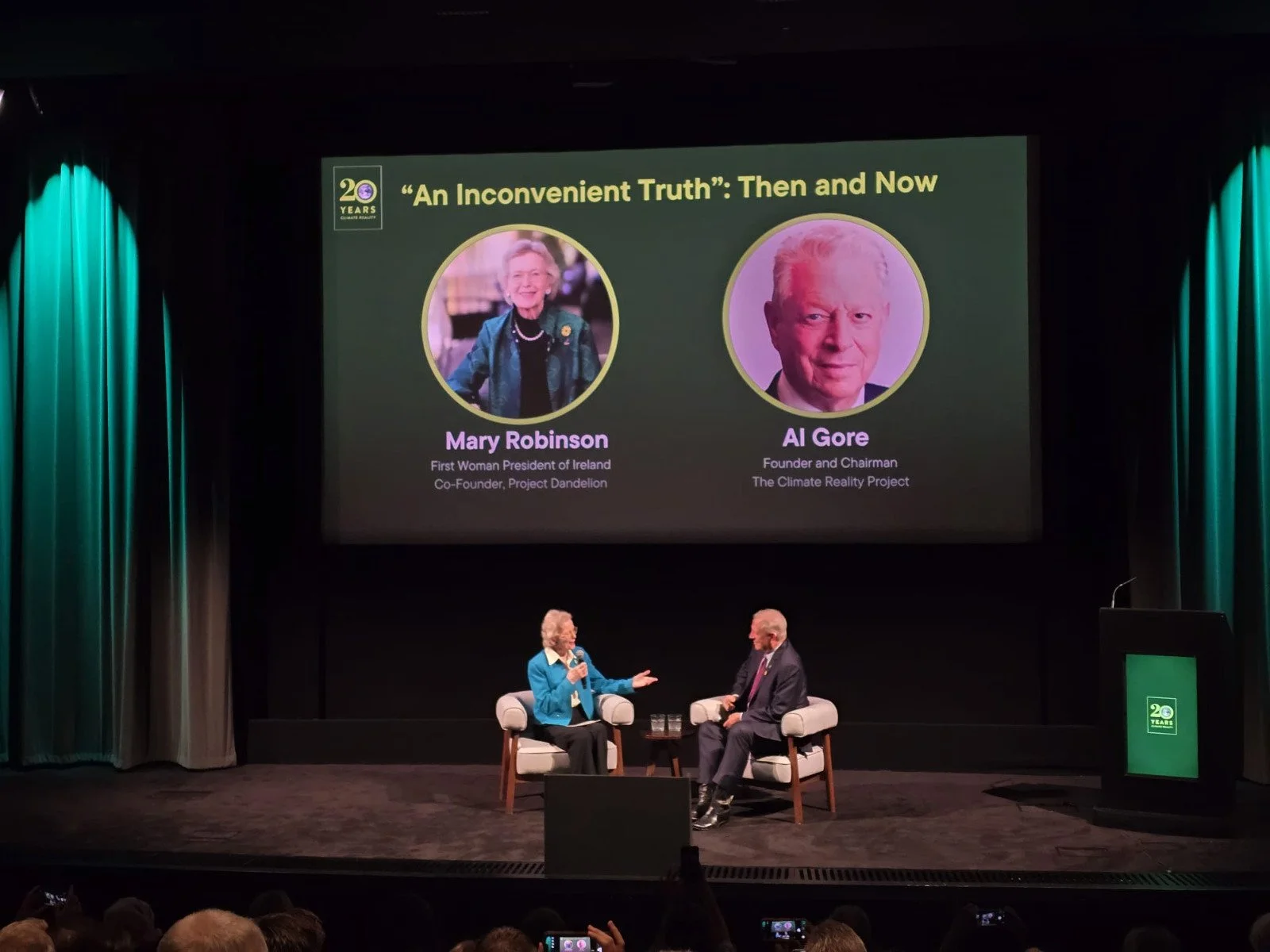
Today CHEC Hon. Secretary and Trustee Emily Robinson attended an event hosted by former President of Ireland Mary Robinson and Former US President Al Gore where they discussed the wins and progress made in combating climate change.
Day Three - The CHEC Climate Edit
~
Day Three - The CHEC Climate Edit ~
📚🎬🎧 What are we reading, watching, and listening to?
As part of London Climate Action Week, we asked CHEC's governing board members and trustees to share their favourite climate books, documentaries, television programmes, films, and podcasts. From their recommendations, we've selected our top book, documentary, TV show, film and journal that explore climate change, biodiversity, and our relationship with the natural world.
Stories have the power to inspire action. Whether through books, documentaries, or films, the media plays a vital role in helping us understand the challenges facing our planet, celebrating the beauty of nature, and encouraging conversations about sustainability and climate action.
💚 We'd love to hear from you too — what is your favourite climate, biodiversity, or sustainability read, watch, or listen?
![1[1].png](https://images.squarespace-cdn.com/content/v1/641c3cce04ddc92ec2f01848/1782291452000-UZ9BV71ZNMJM3YONH8XG/1%5B1%5D.png)
![2[1].png](https://images.squarespace-cdn.com/content/v1/641c3cce04ddc92ec2f01848/1782291487614-24UAPH3EDK6MDY6K8WV5/2%5B1%5D.png)
![3[1].png](https://images.squarespace-cdn.com/content/v1/641c3cce04ddc92ec2f01848/1782291531778-UR5PR0BBQFYKWE3OFPFW/3%5B1%5D.png)
![4[1].png](https://images.squarespace-cdn.com/content/v1/641c3cce04ddc92ec2f01848/1782291560720-N6DYGTBYI5N7C9ZD3FQW/4%5B1%5D.png)
![5[1].png](https://images.squarespace-cdn.com/content/v1/641c3cce04ddc92ec2f01848/1782291585290-XPHR5CFMJ6QHAMLJM4EY/5%5B1%5D.png)
![6[1].png](https://images.squarespace-cdn.com/content/v1/641c3cce04ddc92ec2f01848/1782291619660-8ZVII5PETVMLPIP9G3FZ/6%5B1%5D.png)
![7[1].png](https://images.squarespace-cdn.com/content/v1/641c3cce04ddc92ec2f01848/1782291661708-DRG18W8ITJC8DH36TAGV/7%5B1%5D.png)
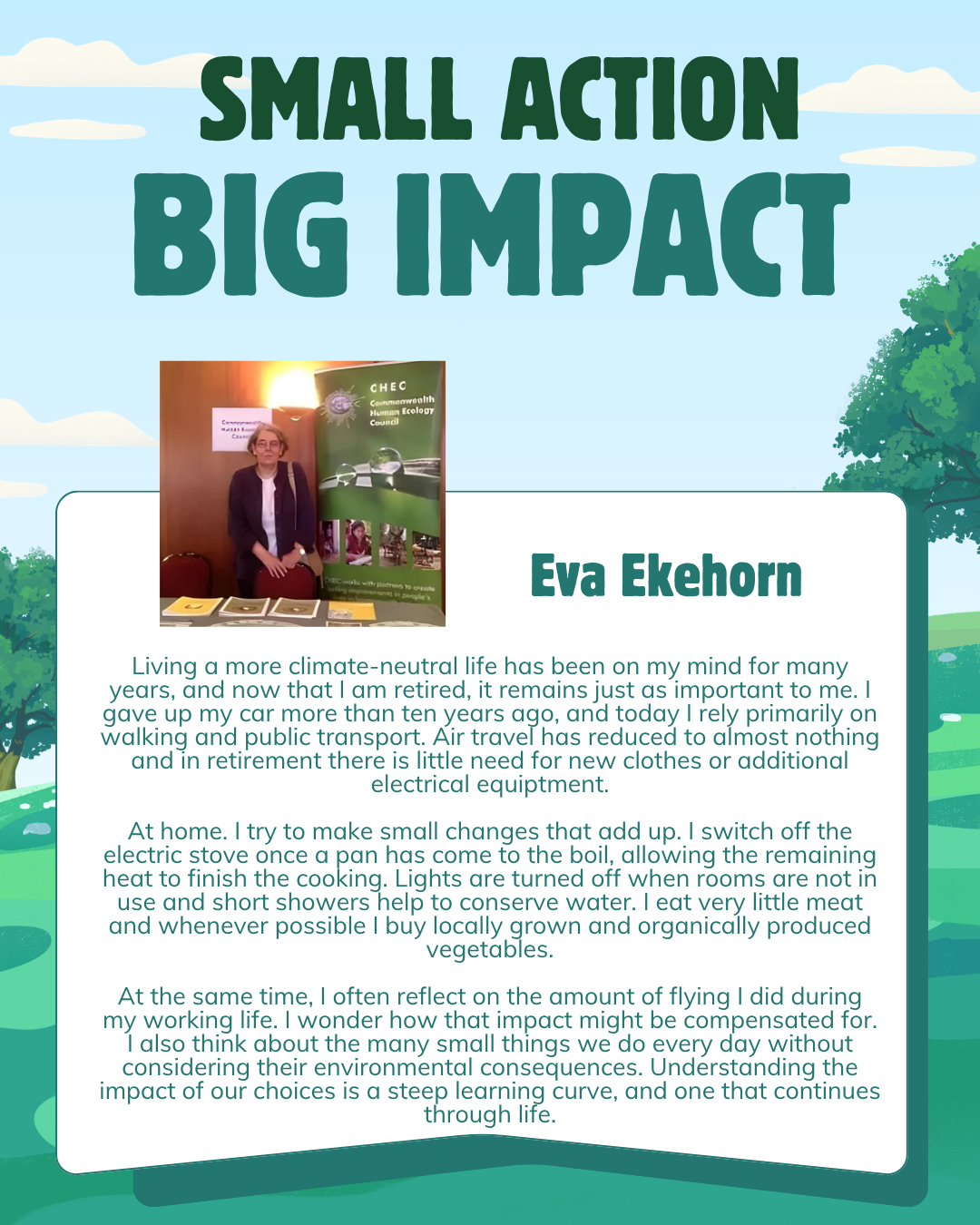
🌍💚 Small actions really can make a big difference.
As part of London Climate Action Week, we asked members of the CHEC Board and our Trustees one simple question: What small action have you taken this year to help protect the planet?
Our Honorary Patron Eva Ekehorn shares more about her life in retirement and the many small changes she has made to her daily life!
Day Four - Nature Next Door
~
Day Four - Nature Next Door ~
🌿📸 London Climate Action Week: Day 4 – Nature Next Door
Today, we asked members of the CHEC Board and our Trustees to share some of their favourite photographs of the natural world — from local wildlife and green spaces to breathtaking landscapes from across the Commonwealth. These images remind us that nature is never too far away and that protecting it is essential for both people and the planet.
Healthy ecosystems support biodiversity, provide clean air and water, regulate our climate, and help communities become more resilient to environmental change. Yet around the world, habitats continue to face increasing pressures, highlighting the urgent need for greater investment in conservation and biodiversity projects that benefit both humanity and the natural world.
💚 Now we'd love to see your favourite nature photographs. Share a picture of the wildlife, landscapes, parks, gardens, or wild spaces that inspire you and help us celebrate the beauty of nature around the world.
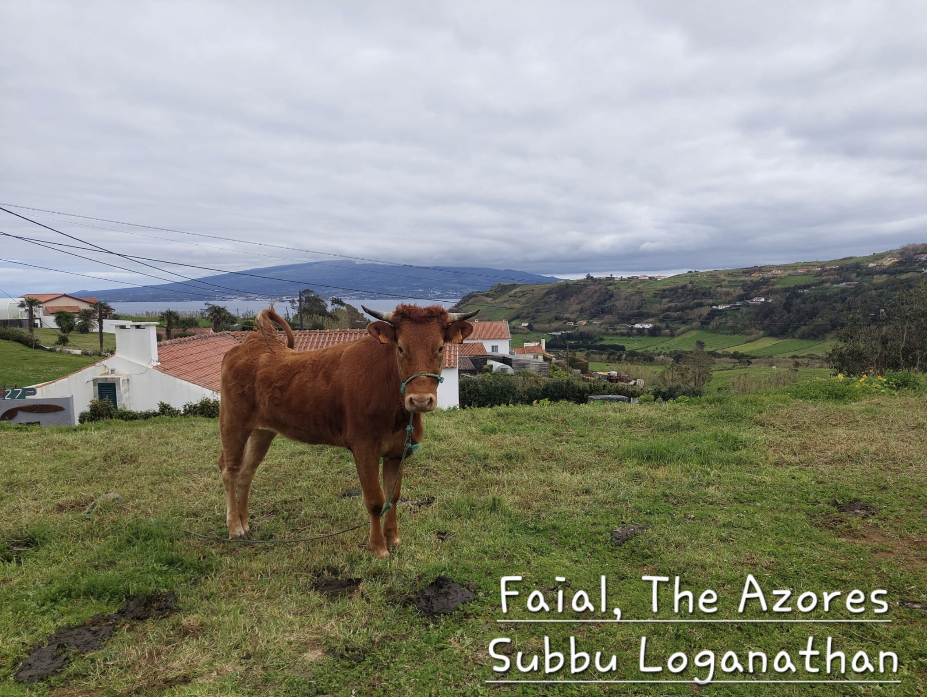
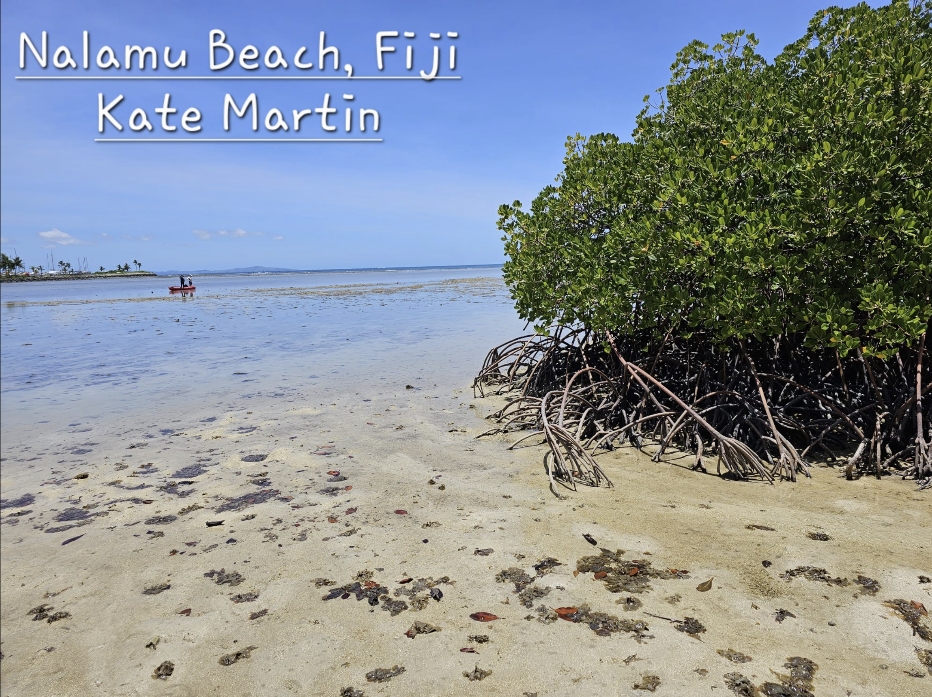
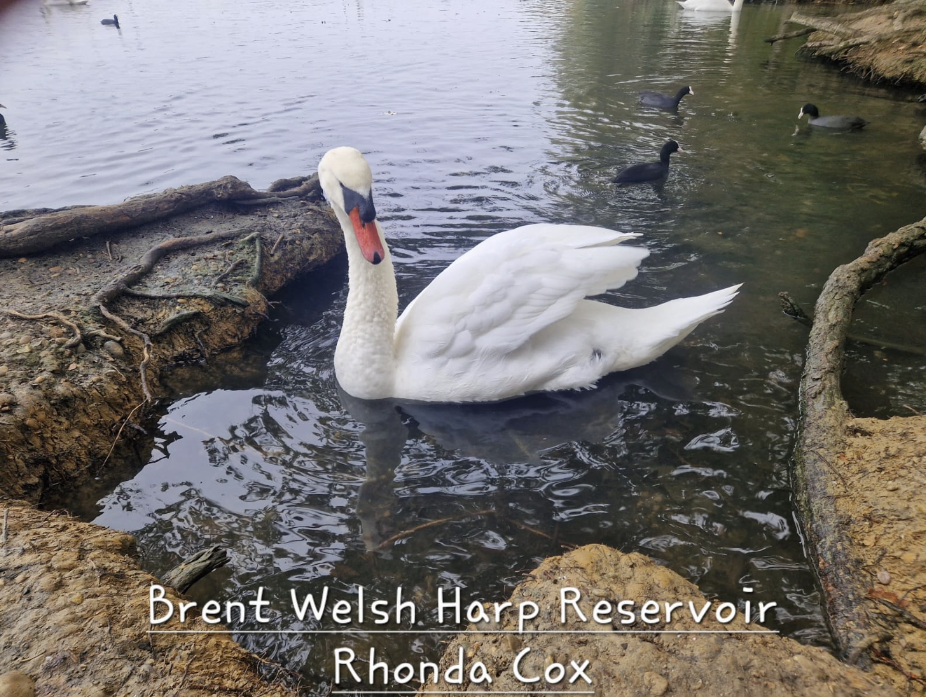
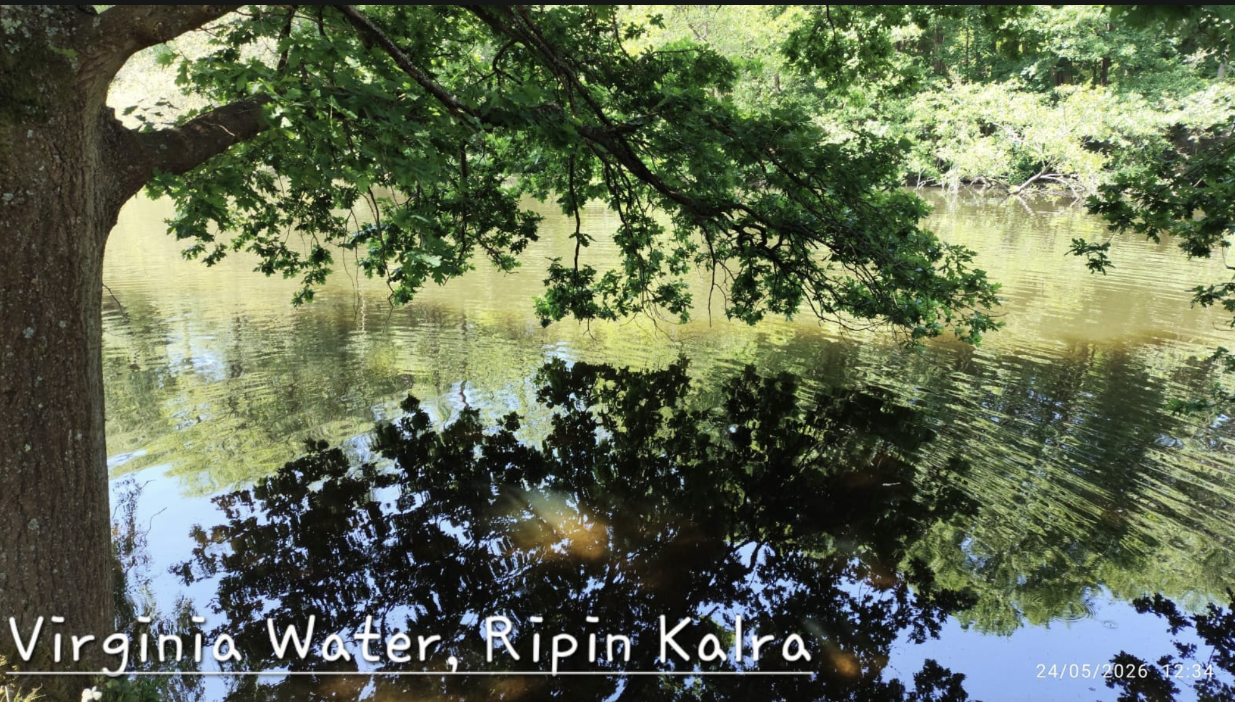
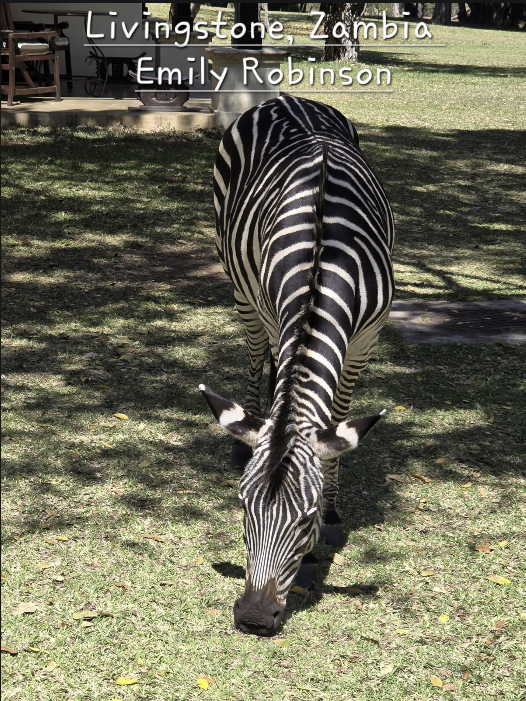
Nature is at the heart of climate resilience, and protecting biodiversity has never been more important. Around one million species are estimated to be at risk of extinction, while forests, wetlands, mangroves, and other vital ecosystems continue to disappear at an alarming rate. Since 1970, monitored wildlife populations have declined by an average of around 73%, and every year millions of hectares of forests are lost, threatening biodiversity, weakening natural carbon stores, and reducing the resilience of communities that depend upon healthy ecosystems.
At CHEC, we believe that protecting nature and empowering communities go hand in hand. Our recent Mangrove Marine Sanctuary project at Nono'a Saleimoa, Samoa, is helping to safeguard one of the world's most important coastal ecosystems, preserving mangroves for environmental education, sustainable livelihoods, and future generations. In Kenya, our Kikayaya Agroforestry Project has demonstrated how tree planting, environmental education, and community-led agroforestry can restore landscapes while strengthening food security and climate resilience. These projects show that investing in nature is also an investment in people.
Whether restoring mangroves, planting trees, protecting wetlands, or creating wildlife-friendly spaces closer to home, every action to support biodiversity helps build a healthier, more resilient planet. As we celebrate Nature Day during London Climate Action Week, we're reminded that protecting the natural world isn't just about conserving wildlife—it's about safeguarding the ecosystems that sustain us all.
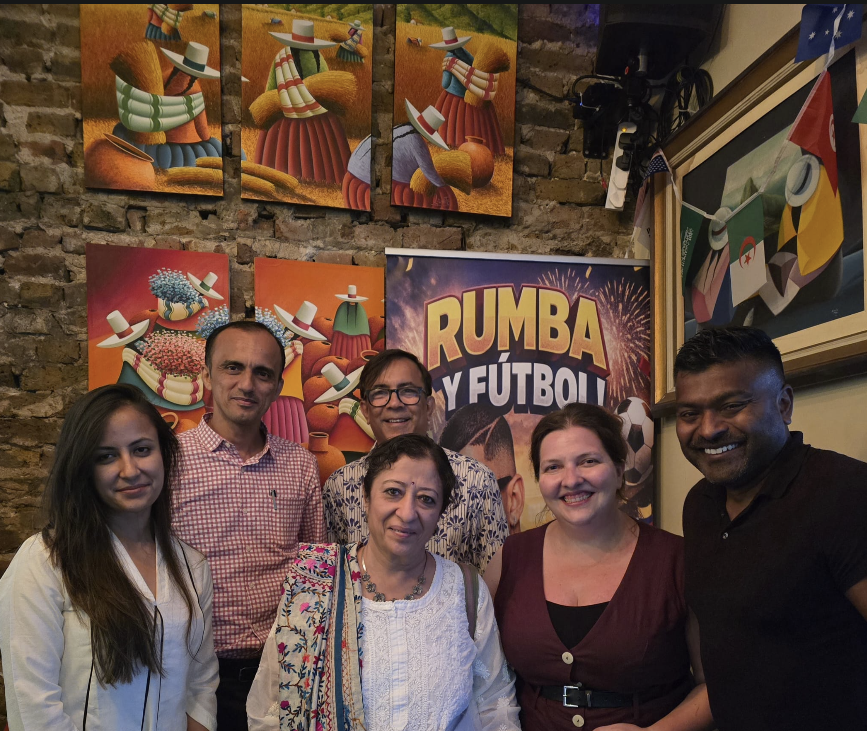
🌍🤝 Last night, CHEC had the pleasure of catching up with our wonderful project partners from Mahila Housing Trust (MHT) during their visit to London.
Having partnered together in 2024–25 on the White Roofs Project in Lucknow, India, it seemed especially fitting to be discussing solutions to extreme heat as London experienced temperatures of 35°C (95°F)! Our collaboration demonstrated how simple, community-led interventions can help reduce the health risks associated with rising temperatures while building resilience in vulnerable communities.
Pictured left to right: Shruti Motiwal (MHT), Siraz Hirani (MHT), Bijal Brahmbhatt (MHT), Ripin Kalra (CHEC), Emily Robinson (CHEC), and Subbu Loganathan (CHEC).