Bridging Barriers to Education for Women and Youth
This project will establish a drought-resistant kitchen garden and maintain three fenced community kitchens and animal gardens and one fruit orchard in Soroti, Uganda. This will provide year-round vegetables and fruits for 150 households (900+ people). The project will train women’s groups in climate-smart gardening, nutrition, animal husbandry and cooperative management to ensure sustainable food supply and income generation.
Food Insecurity in Soroti, Uganda
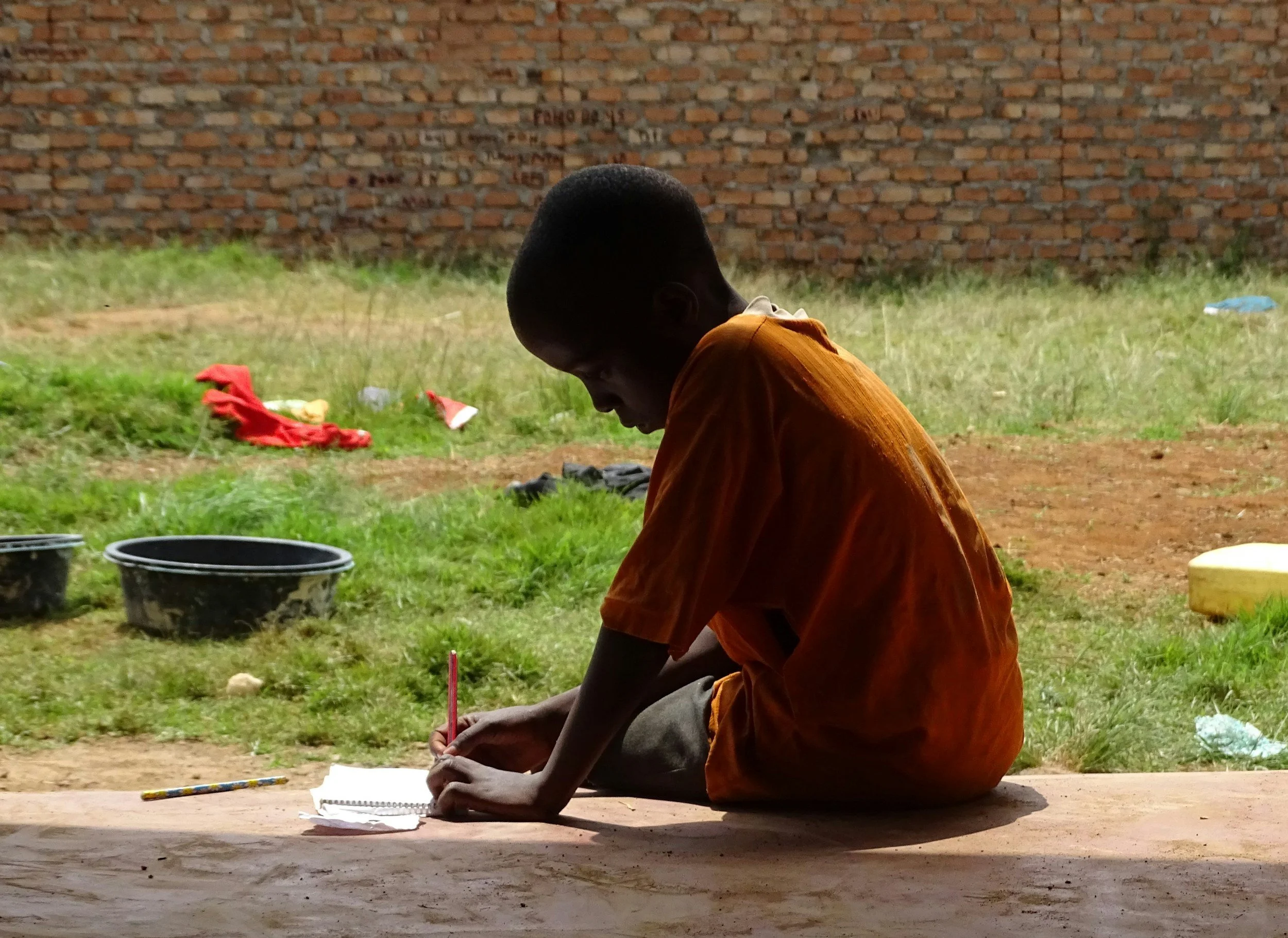
Rural families in Soroti face chronic food insecurity and under nutrition, with children most affected. Parents often struggle to provide meals, forcing children to miss school or drop out. With climate variability, traditional farming yields are low. Establishing fenced and irrigated community gardens ensures year-round production of vegetables and fruits. This reduces the burden on parents, provides nutritious meals for children, and creates income through sales of surplus produce. By focusing on sustainable, community-managed gardens, the project addresses the root causes of food insecurity and builds resilience for the long term.
This need was identified through participatory community consultations, focus group discussions with women and youth, and observation during recent drought and flooding cycles in our area. Families highlighted food insecurity, malnutrition among children, and loss of livelihoods due to crop failure. Local leaders emphasized the urgency of introducing drought-resilient practices and reliable water access. Our baseline assessment confirmed that households spend up to 60% of their income on food, yet remain vulnerable to hunger. The proposed gardens and animals directly respond to these findings by increasing food availability, nutrition, and sustainable income opportunities.
The project respects local traditions by promoting indigenous vegetables, animals and community farming practices passed down through generations. It builds on shared values of cooperation and communal land use, while involving elders, women, and youth. This strengthens cultural identity, pride, and inter-generational learning, ensuring ownership and long-term adoption.
The beneficiaries will receive targeted training in climate-smart agricultural practices, nutrition education through establishment of drought-resistant kitchen gardens at homes “Gardens for Life," introduce fruit and timber trees for education by teaching grafting and vocational skills such as digital literacy, entrepreneurship, financial literacy, training in backyard gardening and small animal husbandry rearing such as rabbits, sheep, goats and chickens to increase to fund their education and increase intake of animal foods.
By introducing drought-resistant seeds, organic farming methods, and water-harvesting systems, the project minimizes chemical use and protects soil fertility. Trees planted will enhance biodiversity, prevent erosion, and support climate adaptation. Sustainable land management ensures the environment is restored and resilient, benefiting both current and future generations.
Community gardens reduce household food expenses while creating surplus produce for local markets, providing an income stream for women and youth. Training in cooperative management enhances self-reliance and entrepreneurship. Long-term, the project strengthens livelihoods, diversifies income sources, and reduces dependency on aid, contributing to community-wide economic stability.
Project Outcomes
This project is ongoing - CHEC back later for updates!
-
Soroti, Uganda
-
November 2025 - Present
-
Improve food security by establishing of three drought-resistant kitchen community-managed gardens, animal and a fruit orchard, producing vegetables and fruits season after season promoting water harvesting, and use drought-resistant crops.
Enhance nutrition for 150 households, especially young children, through regular access to diverse foods.
Generate income for women’s groups by selling surplus produce, reducing the burden of school fees and household expenses.
Ensure sustainability by training women and youth in climate-smart farming, cooperative management, and setting up water and fencing systems for long-term protection.
-
Ongoing Project